
Funding cuts could cause 3.3 million additional HIV infections by 2030: report
Global HIV assistance is projected to drop by 30 to 40 percent in 2025 compared with 2023, a new UNAID report found.
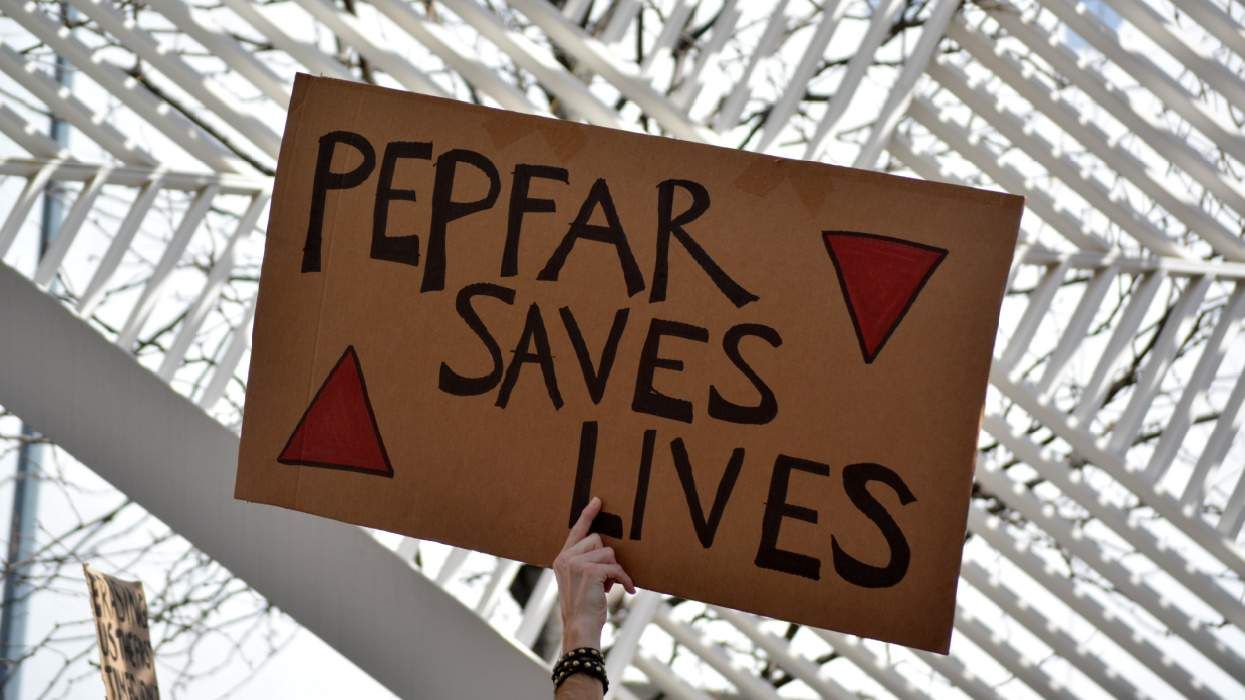
Christopher Penler/Shuttershock.com Protest against government HIV spending cuts at New York City AIDS memorial (March 29, 2025).
HIV prevention efforts around the world have suffered their “most significant setback in decades” due to funding cuts, a new report from UNAID has found.
Global HIV assistance is projected to drop by 30 to 40 percent in 2025 compared with 2023, according to Overcoming Disruption, Transforming the AIDS Response. If things continue this way and countries fail reach the 2030 targets of the next Global AIDS Strategy, the cuts could result in an additional 3.3 million new HIV infections between 2025 and 2030.
“The funding crisis has exposed the fragility of the progress we fought so hard to achieve,” Winnie Byanyima, Executive Director of UNAIDS, said in a statement. “Behind every data point in this report are people—babies and children missed for HIV screening or early HIV diagnosis, young women cut off from prevention support, and communities suddenly left without services and care. We cannot abandon them. We must overcome this disruption and transform the AIDS response.”
In 2024, there were already 570 new HIV infections every day globally among young women and girls ages 15 to 24. Now, more than 60 percent of women-led organizations worldwide have suspended programs. Services for sex workers, people who inject drugs, and LGBTQ+ people — particularly gay men and transgender people — have also been severely impacted.
The Trump administration in February completely dissolved the U.S. humanitarian department USAID, resulting immediately in communities around the world losing medication for treatment and prevention of HIV or other diseases. Senate Republicans did not agree until July to exempt from spending cuts $400 million for PEPFAR, a program that fights HIV and AIDS globally, keeping frozen the main source of drugs for HIV prevention and treatment in 54 countries.
The most obvious solution the report recommends is to reinvest in HIV prevention. Byanyima noted, “We know what works—we have the science, tools, and proven strategies. What we need now is political courage. Investing in communities, in prevention, in innovation and in protecting human rights as the path to end AIDS.”
“This is our moment to choose,” she continued. “We can allow these shocks to undo decades of hard-won gains, or we can unite behind the shared vision of ending AIDS. Millions of lives depend on the choices we make today.”