
San Francisco expands program to help unhoused find their way back home
San Francisco is expanding its “Journey Home” program to help unhoused return to their hometowns.
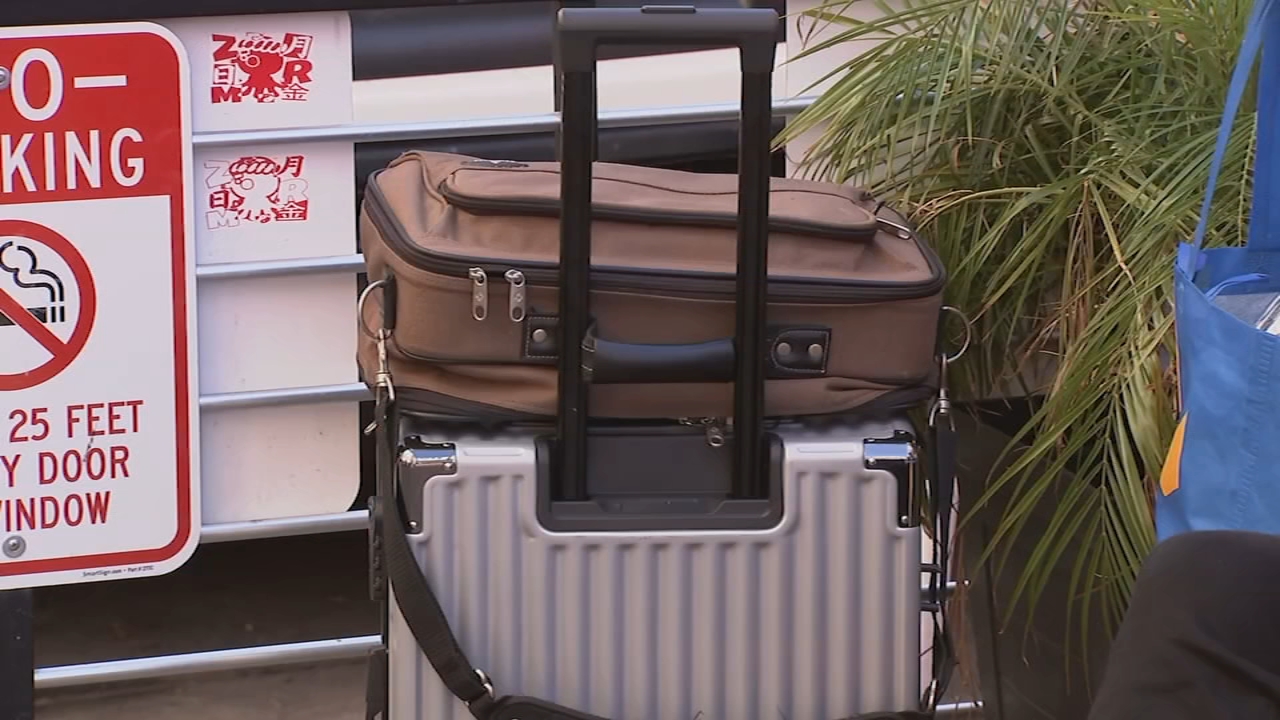
SAN FRANCISCO (KGO) — For years, San Francisco has funded a program to send those who are unhoused back home. The program has been tweaked, renamed and expanded but all with mixed results. Now, the city is trying something new.
It’s in the Tenderloin District where we found Cory Monroe who moved from New Jersey to San Francisco six years ago. He’s now ready to get back home by bus.
Lyanne Melendez: “How long is that going to take you?”
Cory Monroe: “About four days.”
Melendez: “Where are you going to sleep?”
Monroe: On the bus.
It’s a journey back home that some are willing to take just to get off the streets of San Francisco.
“I need to see my family. I haven’t seen them in awhile,” said Cory who is 52 years old.
Monroe: “I’m looking forward.”
Melendez: “Do you think you’ll stay there?”
Monroe: “Ah, yeah.”
Melendez: “How do you know?”
Monroe: “I don’t know.”
More than 20 years ago, the program was called Homeward Bound. It’s been rebranded.
For the past three years, it’s been referred to as Journey Home and during that time, the average number of client relocation has been about 37 per month.
But this time, rather that the city running it, as of a few weeks ago, it has a new operator, Glide Memorial.
“Now we’re trying to expand it to 24 hours, in fact we are expanding it to 24 hours a day starting late February. Because the need is out there. So somebody calls us a two o’clock in the morning, we’re going to try to sit with them immediately or it might be somebody that just needs that phone call at two in the morning to say, ‘hey, I’m going to be there in the morning can somebody be waiting for me?'” explained Donna LaSala, Glide’s Chief Innovation Officer.
Now, there are nine cases managers, each one assigned to someone who is ready to leave.
Here’s how it works. Those case managers get a client through the hotline or through a referral from one of the city shelters, social service agencies or hospitals. Then each client is assessed.
“Also assessing that they are healthy and safe for travel. If they have medication, do they know they’ll be able to get their medication when they get home? Do they have enough ’til they get there,” outlined Angelina Cahalan, the Journey Home Director.
“What’s holding people back from getting home for a lot of folks is the resources,” added Cahalan.
Take Roger Ziegenfuss from Seattle – who, a few days ago, bought a one-way ticket to San Francisco.
“I came here for a job interview and possibly get a chance to get an apartment once I got on my feet, I started getting a few pay checks rolling in there, I would be set up but it all fell apart. Then I was stuck here so I got on the phone starting calling some resources,” said Ziegenfuss who ended up at Glide and was referred to the Journey Home program.
When we found him, he was promised a ticket back to Seattle.
“A flight, train or bus, whatever is available,” said Ziegenfuss.
The program, funded by the city, spends a maximum of $400 per person.
LaSala says, in the long run, it saves the city thousands of dollars.
“When you think about the cost of having people on the street, for everything, the services that they take from the city to showing up at an emergency room,” she added.
San Francisco has long been a magnet for drug users and the unhoused because of its climate, tolerance and access to social services and drugs.
Alex Lawrence of Vacaville knew about the Journey Home program.
“Oh, the one-way program. I know about that, yeah. But we’re not going to do that? Because my heart is here,” said Lawrence.
Here’s his story. He arrived in San Francisco in 2009 from Vacaville. He has been homeless ever since.
Melendez: “Do you use drugs?”
Alex Lawrence: “I do use them sometimes, all of the time. I know it’s kind of bad, but that’s okay, it is the truth.”
The people who run the program, say only when a person is ready can they really take advantage of what it has to offer.
Back to Cory Monroe of New Jersey. His case manager, Ricky was waiting to transport him to the Salesforce Transit Center to help him catch a bus out of the city.
We came along for the ride.
“It feels good to go home. Yeah, it’s going to be cold but it’s worth it. There is snow on the ground,” said Cory.
It was really only a short ride from the Tenderloin. Ricky, always at his side, making sure Cory stayed on schedule.
What few realized is that once they arrive at their destination, their case managers follow their progress.
“We do three months of follow-up case management like we place somebody in their home returned-home location and for three months, we’re checking in with them to make sure they are reunified that they have their appointments in whatever it is we help them get,” assured LaSala.
“Okay brother, safe travels!” And just like that, Cory was on his way home – in search of some kind of stability.